




How to Start a Handmade Business
Starting a handmade business involves much more than making something you love. You also have to think about your products, pricing, customers, where you will sell, marketing, expenses, and how the business will fit into your real life.
I built MONOLISA by learning as I went. In this guide, I’m sharing practical lessons from running my own handmade jewelry and handbag business, selling directly to customers, building an online presence, and participating in more than 230 California art shows and festivals.
There is no single formula for building a successful handmade business. Your products, customers, goals, finances, time, and energy will all be different. My goal with this free guide is to give you a practical place to start and connect you with the more detailed articles and resources I have created from my own experience.

Before You Start Your Handmade Business
One of the first things I would encourage any artist or maker to do is think about what you actually want your business to become. A handmade business does not have to look like anyone else’s. It might become your full-time income, a part-time business, something you build after retirement, or simply a way to earn income from work you love creating.
Knowing your goals helps guide almost every decision that follows — how much inventory you need, what you charge, where you sell, how many shows you participate in, how much money you invest, and how much time you are willing to give the business.
- What do I want to make and sell?
- Who might be interested in buying my work?
- Do I want a full-time business, part-time income, or a creative business that grows slowly?
- How much time and energy can I realistically give it?
- Where do I want to sell — online, at art shows, locally, or through a combination?
- What would make this business feel successful to me?
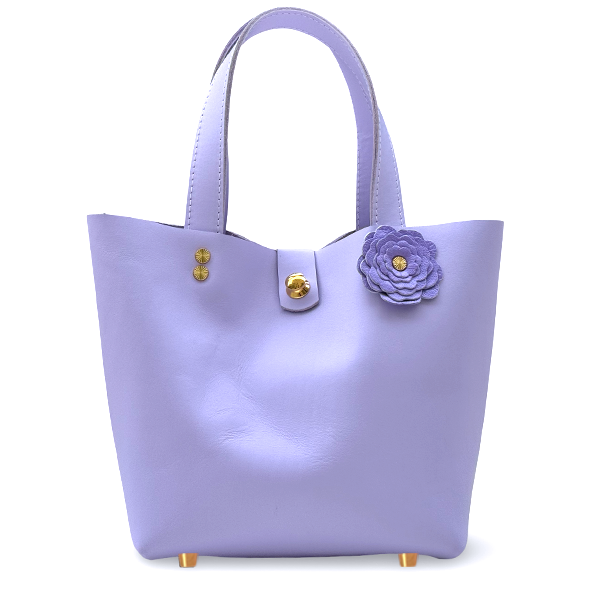
Decide What You Want to Sell
You do not need a huge collection to start a handmade business. What matters more is having a clear idea of what you want to make, what makes your work different, and whether you can realistically continue producing it.
Handmade businesses can be built around fine art, jewelry, clothing, leatherwork, ceramics, home goods, giftable products, one-of-a-kind pieces, limited collections, or a combination. Different products attract different customers and require different price points, displays, materials, selling environments, and production time.
- What do I genuinely enjoy making?
- Can I make it consistently?
- How long does each piece take?
- What materials and tools are required?
- Is my work recognizable as my own?
- Can I create enough variety without losing my style?
My own business evolved over time. I learned what customers responded to, which products I enjoyed making, and which ideas made sense financially. You do not have to figure out everything before you begin. Your collection can develop as you gain experience.
Read My Handmade Business Journey →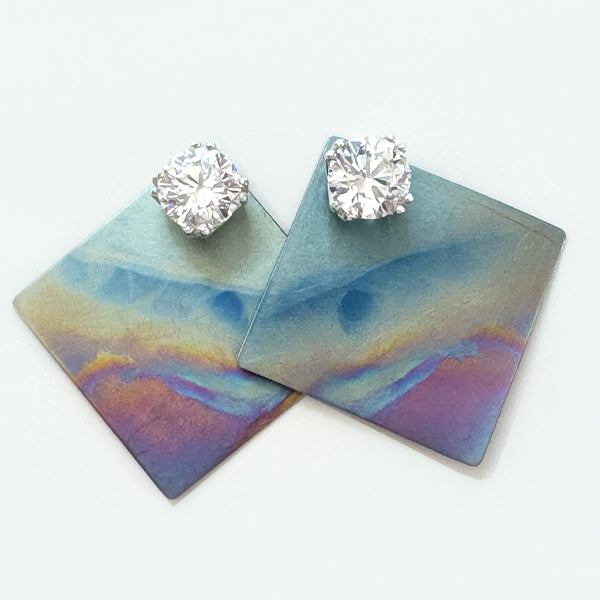
Make Something Worth Buying
Loving what you make is important, but a handmade business also depends on creating work that customers value enough to purchase.
Quality is part of the value of handmade work. Customers notice materials, construction, comfort, finish, durability, presentation, and the small details that separate handmade work from mass-produced merchandise.
- Test how it wears, functions, or holds up over time.
- Use materials appropriate for the quality and price.
- Pay attention to finishing and construction.
- Make sure customers understand what makes it special.
- Be willing to improve the design when something does not work.
- Avoid rushing products simply to create more inventory.
Some of the most useful information comes directly from customers. Watch what people pick up, try on, ask questions about, return to, and ultimately purchase. Those patterns can help you improve your work without chasing every trend.
35 Things I've Learned Running a Handmade Business →
Price Your Work Sustainably
Pricing handmade work can be difficult because the price has to cover much more than the materials used in the finished piece. Your time, tools, packaging, website, marketing, selling fees, travel, booth fees, and other business expenses all affect what you actually earn.
One of the biggest lessons I learned is that sales and profit are not the same thing. A busy weekend or a large sales number can look successful until you subtract everything it cost to produce the work and make those sales.
- Materials and supplies
- Your labor and design time
- Tools and equipment
- Packaging and shipping supplies
- Website and payment processing fees
- Art show fees, travel, and selling expenses
- Profit that allows the business to continue
Your pricing may change as your work, skills, materials, and business expenses change. The goal is not simply to be affordable. The goal is to create prices that make sense for both your customer and the long-term health of your business.

Understand Your Customer
You do not need to know exactly who your customer is before you start. In my experience, understanding customers happens gradually by watching how real people respond to your work.
Selling directly to customers can teach you things that website statistics alone cannot. You can see what people notice first, what they pick up, what they try on, which colors attract attention, what questions they ask, and what ultimately leads someone to make a purchase.
- Who naturally connects with your work?
- Which products get the most attention?
- Which colors, sizes, styles, or price points sell?
- What questions do customers repeatedly ask?
- What keeps people from making a purchase?
- Which customers return or purchase from you again?
Your goal is not to make something for everyone. Learning who naturally connects with your work can help you make better product, pricing, marketing, and selling decisions.
What I've Learned From 200+ Art Shows →
Choose Your Selling Channels
Deciding where you want to sell your work is an important part of building a handmade business, and it can take time to figure out what fits. There is no single best place to sell. Different selling environments attract different customers and come with different costs, expectations, schedules, and opportunities.
Where you sell should fit your products, prices, customer, personality, schedule, and business goals. A selling method that works beautifully for one artist may not be the right fit for another.
- Galleries — often curated and commission-based, especially for fine art, sculpture, jewelry, and other higher-end work.
- Retail stores and boutiques — through wholesale, consignment, or other retail relationships.
- Fine art shows — juried events where the artwork and artists are the main focus.
- Art festivals and larger community festivals — events that may attract large crowds for art, food, wine, entertainment, and other activities.
- Markets and craft fairs — including artisan markets, maker markets, seasonal markets, and recurring local events.
- Small community events and pop-ups — such as holiday boutiques, fundraisers, neighborhood events, school events, and one-day shopping events.
- Your own website — giving customers a place to shop directly from you year-round.
- Online marketplaces — another option for reaching customers beyond your local area.
These selling environments are not interchangeable. A product that does well at a fine art show may perform very differently at a community holiday boutique or large festival. Booth fees, commissions, attendance, customer expectations, competition, travel, setup requirements, and what customers are prepared to spend can all vary considerably.
I learned a tremendous amount by selling face-to-face at more than 200 California events. It helped me understand my customers, test new products, refine my booth, compare different types of shows, and eventually become much more selective about where I sell.
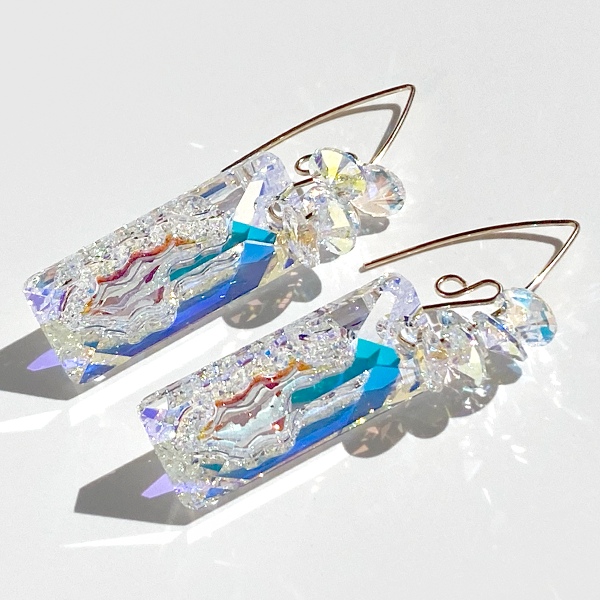
Build Your Website & Online Presence
Even if most of your sales happen in person, I believe having your own website is an important part of running a handmade business. It gives customers a place to find you again after a show, learn about your work, see upcoming events, join your email list, and purchase from you later.
Your website can also help make the sale before you ever meet the customer. People often research artists before attending a show. They may look through an event's artist listings, visit your website, and decide which booths they want to find when they arrive. I have had customers discover MONOLISA this way, including one who made a very large purchase after finding my work through an event listing and visiting my website first.
One of the most valuable things I have done on my website is show people how I actually make my pieces. Photos and videos from my studio allow potential customers to see the tools, materials, techniques, and work involved in creating something by hand. I have had people tell me that seeing this process gave them a greater appreciation for my work and helped them understand its value. In some cases, it directly influenced their decision to purchase.
Your website does not have to be complicated when you start. What matters is having a professional place that represents your business and helps people understand who you are, what you make, and what makes your work different. A website is a standard part of having a business presence, including for artists and handmade businesses.
- A clear About page that introduces you as the artist or maker
- Good photographs of your work
- Photos or videos showing how you create your products
- Clear product descriptions and pricing
- Easy navigation and contact information
- An email newsletter signup
- Information about upcoming shows and where customers can find you
- An easy way to purchase your work online, if you sell online
Over time, your website can become much more than an online store. It becomes the home base for your business — a place for your products, your story, your making process, your events, and useful content that can help new customers discover you through search. Unlike a booth that disappears when an event ends, your website is there for customers to find at any time.

Build an Email List & Stay Connected
A customer may discover you at an art show, purchase from your website, meet you at a local event, or simply admire your work without buying anything that day. Giving people an easy way to stay connected creates an opportunity for that relationship to continue.
An email list is especially valuable because it gives you a direct way to communicate with people who have already shown an interest in your work. You can share new pieces, upcoming events, studio updates, useful articles, and occasional behind-the-scenes stories.
- Add an email signup to your website.
- Invite customers to join your list at events.
- Include your website with purchases and packaging.
- Let subscribers know where you will be selling next.
- Share new work without emailing constantly.
- Give people a reason to remember you after the first purchase.
You do not need an enormous mailing list. A smaller group of people who genuinely enjoy your work can be much more valuable than a large audience that rarely engages with your business.

Market Without Trying to Be Everywhere
Marketing a handmade business does not mean you have to be active on every social media platform. Your time is limited, and every hour spent marketing is an hour you are not designing, making, selling, shipping, or handling another part of your business.
I prefer to put more of my energy into things I have greater control over, including my website, search visibility, email newsletter, customer relationships, and showing my work in person.
- Your website and product pages
- Helpful content that can be found through search
- Email newsletters
- Art shows and local events
- Repeat customers and referrals
- Social media that actually works for you
- Press, features, collaborations, or community connections
Pay attention to how customers actually find you. You may discover that the marketing channel everyone tells you to use is not the one producing the best results for your particular business.
Is Social Media the Best Use of Your Time? →
Track What Is Actually Working
It is easy to stay busy running a handmade business. The harder question is whether the things taking up your time and money are actually helping the business.
I learned to look beyond total sales and pay attention to expenses, profit, customer behavior, website traffic, repeat purchases, and the amount of time and energy something requires. Sometimes an opportunity can look successful from the outside while making very little sense financially.
- Sales and actual profit
- Product costs and business expenses
- Which products consistently sell
- Which events are worth returning to
- How customers find your website
- Repeat customers and referrals
- The time and energy required for each sales channel
You do not need complicated reports to begin. Even simple records can help you see patterns and make better decisions instead of relying only on how busy or successful something feels.

Build a Business You Can Sustain
Growth does not always have to mean making more products, doing more shows, working longer hours, or becoming a larger company. Your definition of a successful handmade business can change as your life and goals change.
Over the years, I have become much more selective about where I put my time and energy. I would rather build a business that works well for my life than keep adding more simply because growth is supposed to mean getting bigger.
- Change your business model when something stops working.
- Say no to opportunities that are not a good fit.
- Reduce expenses that are not producing results.
- Sell through fewer channels if they work better for you.
- Make fewer products and focus on stronger work.
- Choose your own definition of success.
A handmade business should be able to evolve with you. What worked when you started may not be what works five or ten years later, and changing direction does not mean the business has failed. Sometimes it means you have learned enough to make better choices.
Growing a Handmade Business: Why Bigger Isn't Always Better →Continue Learning From My Experience
There is much more to running a handmade business than can fit into one guide. These articles and resources go deeper into some of the lessons I have learned while building MONOLISA, selling at art shows, developing my website, marketing my work, and changing my business as I gained experience.

A Visual Roadmap for Starting a Handmade Business
If you prefer a quick visual overview, my Handmade Business Roadmap brings many of these ideas together in an easy-to-scan format covering products, customers, pricing, selling, expenses, repeat buyers, and building a business that works for your life.
View the Handmade Business Roadmap →How I Started My Handmade Business
How MONOLISA began, what I learned along the way, and some of the decisions that shaped my jewelry and handbag business.
Read the Article →35 Things I've Learned Running a Handmade Business
Practical lessons about customers, products, selling, decision-making, and running an independent creative business.
Read the Article →What I Learned From 200+ Art Shows
Lessons from years of selling directly to customers at California art shows, festivals, and handmade events.
Read the Article →Why Bigger Isn't Always Better
Why growth does not always mean doing more, and how my definition of a successful handmade business has changed.
Read the Article →Is Social Media the Best Use of Your Time?
A look at social media, time, visibility, and choosing marketing methods that make sense for your handmade business.
Read the Article →Running a Handmade Business as a Neurodivergent Artist
My experience building systems and running MONOLISA as an autistic, ADHD, and dyslexic artist.
Read the Article →Keep Learning & Building Your Handmade Business
I continue to share what I have learned from building MONOLISA, selling my work in person, developing my website, and running an independent handmade business. Explore more of my articles and resources created for artists, makers, and creative entrepreneurs.


