



Running a Handmade Business with Autism, ADHD & Dyslexia | Artist Lisa Ramos

When I Started MONOLISA
When I started MONOLISA in 2017, I knew I approached business differently. As someone launching a handmade business in my 50s, I naturally relied on systems, visual organization, documentation, decades of life experience, and long-term planning. Those strengths became even stronger with age, but at the time I didn't understand why they felt so natural. I simply assumed everyone processed information and solved problems in their own unique way.
In 2026, while searching for answers to ongoing health challenges, I underwent extensive neuropsychological testing. That journey finally gave me the answers I had been searching for. I finally understood why I experienced the world differently. I discovered I was neurodivergent and formally diagnosed with Autism, ADHD, and Dyslexia . Looking back, I realized those differences had quietly influenced nearly every business decision I had made—from the way I built systems and recognized patterns to how I solved problems and defined success.

Building a Business Before I Had the Explanation
About five years into my business journey, I became convinced I was dyslexic after listening to a podcast on the topic and spending countless hours researching. For the first time, I began to understand why I had always experienced the world differently and processed information more slowly than many of my peers. Looking back, I think I instinctively knew there was a missing piece my entire life. I spent years trying to understand why everyday things that seemed to come naturally to other people felt so much harder for me, and I grew tired of constantly trying to keep up. Although I was never formally tested as a child, I had always known I learned, processed information, and solved problems differently.
One thing I understood about myself early on was that I naturally started with the big picture when learning about a topic. Before worrying about the details, I wanted to know where I was going and how I was going to get there. If I could visualize the destination, I would first create a mental roadmap of how everything fit together and then work backwards into the details. Details matter, but I also knew spending too much time perfecting every small step could keep me from reaching my goals. For example, before investing in jewelry tools and equipment, I wanted to understand the entire process. I learned what tools and machines were used, how much time each step required, what skills were involved, and how those factors affected the final price. Once I understood the bigger picture, I could decide whether creating a particular design made sense creatively, financially, and for the market I was serving. I've always believed nothing is ever perfect, and waiting for perfection often becomes another way of standing still.
Reading The Dyslexic Advantage in 2021 became a turning point in both my personal growth and the way I approached my business. Instead of focusing on slower processing, spelling, grammar, and the things I found difficult, it encouraged me to build on my strengths and instead of letting my weaknesses define me. That book changed the way I looked at myself. Rather than trying to change the way I think, I began designing my business around the way my brain naturally works.
Looking back, I realized my learning differences had been preparing me to build a business long before I ever started MONOLISA. They taught me the value of being overprepared, organized, resourceful, and willing to keep working until I figured things out. Most importantly, I wasn't afraid of mistakes or failure. I had experienced enough of both throughout my life to know they were simply part of learning. Instead of dwelling on mistakes, I focused on the lessons they taught me. Those experiences also strengthened my creative problem-solving, resilience, efficiency, and ability to adapt when things didn't go as planned. What once felt like obstacles gradually became some of my greatest strengths.
Systems Became My Greatest Business Tool
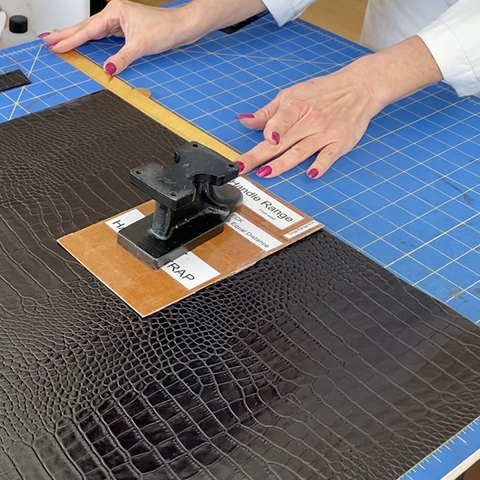
I genuinely thrive on building systems and continuously improving them. Finding better, simpler, and more efficient ways of doing things comes naturally to me. From the beginning, I knew they would become the foundation of my business. Strong systems made me more efficient, reduced stress, and gave me something I had spent much of my life looking for—a way to work with my brain instead of constantly fighting against it. For the first time, I felt like I was designing my work around my strengths instead of constantly compensating for my challenges. Ultimately, these systems became roadmaps that continue to guide me throughout my business journey.
Growing up, I often felt like I was running behind everyone else. As I gained more life and business experience, I realized I didn't need to work harder—I needed to work smarter. Building a solo business gave me the freedom to create processes that fit the way I naturally think instead of trying to conform to someone else's way of working, which often drained my energy and creativity. I discovered that I thrive working independently, where I have the freedom to design, create, and work at my own pace. Instead of trying to fit in, I built a business that allowed me to simply be myself.
Being an independent artist allows me to create a quiet environment with a structured schedule that works for me. It gives me uninterrupted time to create with my hands, write, build websites, or work on digital projects. Just as importantly, it allows me to regulate my nervous system through periods of solitude, something that was much more difficult in traditional work environments.
Instead of relying on memory, I documented everything. I created checklists, spreadsheets, visual roadmaps, organized files, and what I call my Master Index—a searchable system that lets me quickly find detailed information whenever I need it. My systems aren't just about saving time. They're about reducing the mental effort of trying to remember everything. That leaves more time and energy for the creative work I enjoy most. I've always looked for ways to save time and reduce unnecessary effort because every hour I save can be invested in designing, learning, writing, or building something that moves MONOLISA forward. I keep my Master Index in the cloud so I can access it whether I'm at home or traveling. It's like carrying an extra brain wherever I go.
As technology evolved, I automated repetitive tasks whenever possible. My systems didn't just improve efficiency—they reduced anxiety, freed up mental space, and allowed me to spend more time creating instead of managing endless details. That extra time could be invested in designing, learning, writing, improving my website, or planning the future of MONOLISA. Solitude has become one of the ways I cultivate creativity, manage stress, and do my best work.

Seeing the Bigger Picture
My neuropsychological evaluation confirmed something I had experienced my entire life: I naturally think in systems, recognize patterns, and see the bigger picture. Instead of focusing on individual pieces, I'm usually thinking about how everything connects and where it's ultimately leading. I also prefer simple explanations over unnecessary complexity. I naturally think in practical, cause-and-effect terms: if I do this, it's likely to lead to this result.
I also like getting to the point. During my design process, I'm naturally direct and prefer practical solutions over unnecessary complexity. Rather than asking, "Wouldn't this be a great idea?" I'm asking, "Will customers value this piece? Does it tell a story? Is it different from other leather goods or jewelry already on the market? How much time and skill will it take to create? Can I price it in a way that's both fair to my customers and sustainable for my business?" Ideas are easy. Building a sustainable business around them takes years.
Whether I'm designing a jewelry collection, improving SEO, organizing my website, evaluating art shows, or planning new projects, my mind is constantly building the roadmap before taking the first step. I naturally see how individual ideas connect into something much larger, which helps me build resources that continue growing over time instead of remaining isolated projects. I think of building a business much like planting seeds. You plant, nurture, observe what grows, learn from the results, and keep planting. Not every seed grows, but every experience teaches me something that helps guide the next decision. Over time, those small, consistent efforts grow into something much bigger than you could have imagined. I rarely try to do everything at once. I start small, learn from experience, and build from there. For example, MONOLISA began with leather goods. As I experimented with metals and crystals, I introduced new designs a little at a time and watched how customers responded. Positive customer feedback confirmed I was moving in the right direction.
I took the same approach with my website. It began as a place to showcase my MONOLISA collection. Over time, it grew into something much larger. I added behind-the-scenes videos, shared my creative process, built educational resources for artists and handmade business owners, created guides for people attending California art shows, developed my California Art Shows & Festivals Directory, and created Gifts from Artists to share handcrafted gifts I've personally purchased from fellow independent artists and makers over the years. Each addition built upon the last.
My goal was never simply to promote my own work. Having built MONOLISA through years of hands-on experience, I wanted to create the kind of practical resources I wish had existed when I was first getting started. Everything is shared freely, without paywalls, to support artists, encourage handmade businesses, and help keep the creative community thriving for future generations.
The California Art Shows and Festivals Directory became another example of thinking beyond a single purpose. It serves three communities at once: it helps artists discover opportunities to exhibit their work, encourages people to shop locally by making it easy to find art shows happening nearby, and supports the dedicated show promoters who work behind the scenes to bring these events to life.
What started as a small website with just a handful of pages has gradually grown into a large collection of interconnected resources—all built one page, one idea, and one improvement at a time. That's one reason I enjoy creating visual roadmaps and interconnected resources instead of isolated articles. I don't just want people to know what to do—I want them to understand how everything works together.

Pattern Recognition Changed the Way I Built MONOLISA
Participating in more than 200 California art shows gave me thousands of opportunities to observe people and collect real-world data. Over time, I began recognizing patterns in customer behavior, pricing, product displays, booth layouts, marketing, and the types of events that best fit my work. Some patterns appeared quickly. Others only became clear after years of observation, documentation, and experience.
Shortly after launching MONOLISA, I began relying less on other people's opinions and trusting my own experience, observations, and data. I listened to fellow artists because there is always something to learn, but I also learned to trust the patterns I consistently observed for myself. Thankfully, years of working in sales and marketing had already taught me that no book, podcast, or business course can replace real-world experience.
My systems tracked far more than sales—they measured time, energy, profitability, customer behavior, changing market conditions, and long-term trends. I wasn't just collecting data—I was looking for patterns, developing theories, and testing them over time. I wanted to understand why something worked, not just that it worked.
One of the biggest lessons I learned was to stop wishing things were different and start understanding them for what they were. I learned to work with reality instead of fighting it. Economies change. Customer buying habits change. Art shows evolve. There is no formula that guarantees success forever. Instead of resisting change, I learned to adapt, keep improving, and look for new opportunities. That lesson has shaped not only how I run my business, but how I approach life.
Looking back, pattern recognition became one of my greatest advantages in building MONOLISA. It helped me make decisions based on evidence instead of assumptions and gave me the confidence to change direction when experience and data pointed me toward a better path. I've learned that changing course isn't a sign of failure—it's often a sign of growth.

Learning New Skills Became a Competitive Advantage
As a self-taught artist, metalsmith, and leatherworker, I spent thousands of hours mastering the skills needed to build MONOLISA from the ground up. For me, hyperfocus is more than spending long hours on a single task. It's becoming deeply interested in learning a new skill, understanding how it works, and then finding ways to apply it throughout my business. One day that might mean handcrafting a leather flower tote bag or setting a gemstone in a one-of-a-kind ring at my workbench. The next, it could be designing a webpage, improving SEO, editing a video, or writing an article. I enjoy the variety because each project exercises a different part of my creativity.
Over the years I've taught myself photography, website design, SEO, video editing, AI tools, jewelry techniques, leatherworking, marketing, and countless other skills. Each new skill became another tool I could use to improve MONOLISA, solve problems, become more self-reliant, and rely less on outsourcing. I enjoy understanding how things work because it gives me the freedom to bring more of my ideas to life.
Having control over my schedule allows me to work with my neurodivergence mind than against it. I naturally move between handcrafting leather handbags and sculpted jewelry, then shift to writing, web development, improving SEO, editing videos, or developing educational resources. That variety keeps me engaged while allowing every project to support the larger vision of MONOLISA.
Learning also strengthened my systems. As I developed new skills, I found better ways to organize information, automate repetitive tasks, and connect ideas that previously seemed unrelated. I also discovered that I genuinely enjoy the challenge of learning something new. When a skill feels difficult, it motivates me rather than discourages me because every challenge becomes an opportunity to grow, build confidence, and prove to myself that I can do it. Each skill built upon the last, creating new opportunities I never would have discovered if I had stayed within my comfort zone.
Looking back, I don't think MONOLISA was built by mastering one thing. It was built by continuously learning, improving, and allowing one skill to lead to the next. I also enjoy finding ways to connect those skills together through what I call repurposing. A behind-the-scenes video can become a website article, a social media post, a newsletter feature, or an educational resource. Rather than creating everything from scratch, I look for ways to get more value from the time and effort I've already invested. It's about getting more "bang for your buck" while reaching people in different ways. That interconnected way of thinking has become an asset as a creative entrepreneur.

Building a Business That Fits My Life
Another lessons I've learned is that success doesn't have to look the same for everyone or season. For many years, I believed doing more shows meant building a better business. Experience eventually taught me that more isn't always better and that success should be redefined as your life, priorities, and circumstances change.
As I got older, my priorities began to shift. Participating in more than 200 art shows taught me what energized me, educated me about selling handmade work, what drained me, and where my time created the greatest value. I also realized that recovery time wasn't a luxury—it was essential. The balance of connecting with customers during an art show and then having several quiet days to recharge allows me to bring my best self to both my work and my life. Add in ongoing health challenges, and I realized it was time to redefine what success looked like.
Instead of asking, "How can I do more?" I began asking, "How can I do better?" I wanted to build a business that supported my creativity, protected my health, and remained sustainable for the long term. Even today, that definition continues to evolve as I learn more about myself and what truly matters.
Reducing my show schedule this year is about reshaping my business based on years of experience, observation, data, and a better understanding of myself. Instead of trying to fit my life around my business, I'm building a business that fits the life I want to live. As I've gotten older and navigated ongoing health challenges, I've come to realize that time is one of life's most valuable resources—it's something you can never get back. My goals today are to continue planting seeds, learning new skills, and building for the future more slowly. My definition of success is no longer about doing more. It's about creating a business that grows with me.
Looking Back

Receiving my formal diagnoses didn't change who I am. They simply explained who I had always been. Looking back, I can now see that many of the decisions that shaped my handmade business, MONOLISA—building systems, documenting everything, recognizing patterns, thinking visually, and continuously improving processes—weren't random. They reflected the way my brain naturally works. They helped me understand why creating with my hands and building MONOLISA brings me so much happiness and peace.
For years, I tried to fit into traditional ways of learning, working, socializing, and running a business. Today, I see things differently. In both art and entrepreneurship, thinking differently has become one of my greatest strengths. It has helped me create one-of-a-kind work, build a business that reflects who I am, and define success on my own terms.
If there's one lesson I've learned, it's this: Don't spend your life trying to become someone you're not. Build on your strengths. Create systems that work for you. Learn from your experiences. Keep planting seeds—you never know how they will grow. Trust the process, even when it isn't easy. Most importantly, build a life and a business that reflect who you are—not who you think you're supposed to be. The world doesn't need another copy. Be One-of-a-Kind.


Leave a comment