



Is Handmade Becoming Harder to Find at Art Festivals?

After launching MONOLISA in 2017 and beginning my journey through the art show circuit, I remember seeing far more artists actively making, designing, and discussing their work than I do today. The shift was not immediate. It happened gradually, year after year. I began noticing more booths selling products that appeared increasingly manufactured or imported, while some of the longtime artists I had come to know were slowly disappearing from the show circuit. It made me wonder: has handmade become harder to find at art festivals, or am I simply paying closer attention?
The Art Show Landscape Has Changed
After participating in more than 200 art shows over the last eight years, I believe handmade has become harder to find—not because it has disappeared entirely, but because the landscape has changed. Many of the artists who inspired me when I first started were members of the Builder and Baby Boomer generations. It was common to see artists well into their seventies and eighties exhibiting their work. Today, many of those artists have retired, reduced their schedules, or left the industry altogether. Even among my own generation, Generation X, I have watched artists scale back or leave the show circuit as the economics of running a handmade business have become increasingly challenging - financially, physically and mentally. Running a handmade business requires far more than creating the work itself. Artists are often responsible for designing products, purchasing materials, managing inventory, building displays, transporting equipment, setting up booths, marketing, bookkeeping, customer service, website management, and social media. After years of juggling multiple roles, some artists simply decide they no longer want the physical demands, financial risks, or long hours associated with the show circuit. One of the biggest differences I notice today is that I simply see fewer artists actively demonstrating, discussing, and creating their work at shows than I did when I first started exhibiting in 2017.
At the same time, a new generation of vendors has entered the marketplace. Some are talented artists and makers building businesses from their creativity. Others operate retail-based businesses that focus on imported or manufactured products, sometimes as a side business rather than a full-time career. Neither approach is inherently wrong when it is represented honestly, but it does create a very different experience for shoppers than what many art festivals offered a decade ago.

What Does Handmade Really Mean?
One challenge in discussing handmade work is that the definition is not always as straightforward as people think. Very few artists create every single component of a finished piece themselves. A painter may purchase a blank canvas before creating an original painting. A jeweler may purchase chain, findings, or gemstones that become part of a larger handcrafted design. A handbag maker purchases leather, hardware, thread, zippers, and other materials that are incorporated into the final product.
In most cases, handmade involves transforming raw materials or components into something new through design, craftsmanship, skill, and labor. The artist's creativity and workmanship are what give the finished piece its value. There is a significant difference between purchasing materials that become part of a handmade creation and purchasing a finished product that is simply resold.
This distinction is important because handmade exists on a spectrum. A painter may purchase a canvas but create an entirely original work of art. A jeweler may purchase chain or gemstones but hand fabricate the design, settings, and construction. A handbag maker purchases leather, hardware, and zippers, yet transforms those materials into a finished product through design and craftsmanship. Most handmade artists purchase materials; what makes the work handmade is the creative process, skill, and labor that transforms those materials into something new.
At the highest end of craftsmanship, some artists create nearly every element themselves. A goldsmith may roll out sheet metal, fabricate a chain link by link, create custom settings, and work with a lapidary artist—or perform the lapidary work themselves—to cut gemstones specifically for a piece of jewelry. These types of creations often require hundreds of hours of labor and represent some of the most time-intensive forms of handmade work available to collectors.
Understanding this spectrum helps explain why handmade products can vary so dramatically in price. Not all handmade work is created in the same way, and the amount of labor, skill, and craftsmanship involved can differ significantly from one artist to another. What matters most is transparency about how the work is created so shoppers can make informed decisions about what they are purchasing.

The Cost of Making Handmade Work Has Increased
One of the biggest changes I have observed is economic. The cost of creating handmade work has continued to rise while the cost of living has increased dramatically. Materials, findings, leather, gemstones, metals, packaging, booth supplies, machines, equipment, shipping, insurance, and event fees all affect the final cost of making and selling handmade work. When I first started working with gold, it was approximately $950 per ounce. Today, it trades at more than $4,000 per ounce and continues to fluctuate regularly. Precious metals are just one example of how dramatically material costs have changed for artists and makers over the last decade.
Equipment is another major factor. Machines and tools I purchased seven or eight years ago are often much more expensive today. Some have increased by 15% to 50%, and that does not include the higher cost of shipping, maintenance, and replacement parts. For artists who sew, solder, polish, cut, engrave, weld, photograph, display, package, and transport their work, the cost of building a proper studio or booth setup can be significant. A handmade business is not only the finished product a customer sees on the table. It is the tools, training, materials, repairs, mistakes, experimentation, booth fees, travel, time, and years of skill behind every piece.
Booth fees have also increased substantially. Many events that were once affordable for emerging artists now require a significant upfront investment before a single sale is made. Between application fees, booth fees, travel, fuel, insurance, lodging, and display expenses, artists often invest hundreds or even thousands of dollars before the event begins. As costs continue to rise, it becomes harder for handmade artists to earn a sustainable income, especially when competing against lower-cost manufactured products.

Why Handmade Costs More
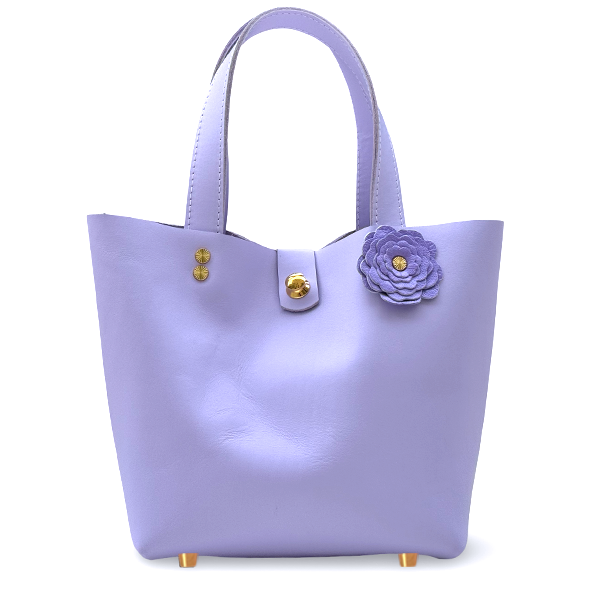
Handmade work requires time, skill, experience, and quality materials. A piece of jewelry may involve designing, cutting, soldering, shaping, filing, sanding, polishing, stone setting, quality checking, photographing, listing, packaging, and selling. A handbag may involve designing a pattern, selecting leather, hand cutting, painting, sewing, reinforcing, creating a dust bag, finishing, testing, photographing, packaging, and preparing it for sale. When a customer sees the final piece, they may not see the years of learning, the specialized tools, the mistakes, the studio costs, or the physical labor required to make it.
That is one reason it can be difficult for handmade artists to compete against manufactured or imported products sold at much lower prices. A handmade artist cannot always reduce prices to match mass production because the process is completely different and often they choose premium materials. When shoppers understand the difference, many appreciate the value. When they do not, handmade can look expensive next to something that was produced on a much larger scale.

When Handmade Shows Include Imported Goods
Where I believe the real concern begins is when transparency disappears. It can be discouraging when a show is marketed as handmade, but shoppers walk through and find a noticeable amount of imported, manufactured, or resale merchandise. This is something artists talk about with each other because it affects the entire show environment. Where this becomes especially frustrating is when a vendor selling mass-produced or imported merchandise is accepted into a fine art or handmade show while a skilled artist remains on the waitlist. Most juried events have limited space, so every booth matters. When a show promotes itself as handmade or fine art, artists expect the work being presented to reflect those standards. If customers attend expecting to meet artists and makers but instead encounter products that appear mass-produced, it can weaken trust in both the event and the artists exhibiting there.
There is nothing wrong with a festival including retail vendors, boutique businesses, food products, or imported goods when that is clearly communicated to shoppers. Many community events are intentionally mixed marketplaces. The issue arises when an event is marketed as fine art, artist-made, or handmade, but the vendor mix does not reflect those standards. Many community events are intentionally mixed marketplaces, and that can be perfectly fine. The problem is when a show is promoted as handmade or juried handmade, but the vendor mix does not reflect that promise. Genuine artists can struggle to compete with lower-priced products that are not made by hand, especially when those products are presented in a way that makes shoppers believe they are original, one-of-a-kind, or artist-made.

The Shopper’s Dilemma
These economic realities also affect shoppers. Many consumers are more cautious with discretionary spending than they were in previous decades. Younger generations often face higher housing costs, student debt, healthcare concerns, and financial uncertainty. Handmade work naturally costs more than mass-produced alternatives, so for some shoppers, purchasing a handmade piece becomes an occasional luxury rather than an everyday purchase.
At the same time, mass production has never been more accessible. Consumers can purchase inexpensive products from around the world with a few clicks. Social media and online marketplaces have made it easier than ever to find lower-cost alternatives, replicas, and “dupes.” For shoppers who do not fully understand the difference between handmade craftsmanship and manufactured goods, those products can appear similar at first glance. The difference is often in the materials, construction, originality, longevity, and the person behind the work.
One-of-a-Kind Work Is Harder to Sustain
Another change I have noticed is that truly one-of-a-kind work has become less common. I understand why. Creating completely unique pieces requires significant time and often limits production. Artists still need to pay their bills, adapt to changing markets, and respond to what customers are willing to purchase. This is especially noticeable in categories such as photography, prints, jewelry, and home décor, where artists often balance original work with more accessible product offerings.
The concern is not when artists create prints, small batches, or repeatable designs as part of a sustainable business model. Many artists need a mix of price points to survive. The real issue is when something is marketed as one-of-a-kind but is actually mass-produced, just assembled, or when someone claims a design is original after copying another artist’s work. Customers deserve to know what they are buying, and artists deserve recognition for the time, creativity, and effort they invest in their work.

Is Handmade Disappearing?
Despite these changes, I do not believe handmade is disappearing entirely. Every year I meet talented artists creating extraordinary work and passionate customers who continue to seek it out. Art festivals remain busy, and people still enjoy discovering new artists, hearing their stories, and finding meaningful pieces for their homes, wardrobes, and collections. What has changed is not necessarily the demand for handmade, but the environment in which handmade exists.
In many ways, handmade is evolving. Some artists who once worked full-time now create part-time. Others have shifted online, teach workshops, work traditional jobs, or supplement their income in other ways. Some younger makers are approaching handmade differently, blending art, design, production, social media, and online sales in ways that previous generations did not. I also meet retired artists who continue creating because they genuinely enjoy the process and the community. For some, retirement provides the financial flexibility to focus on making art without the same pressure to earn a full-time living from it. That can make the art show experience very different from artists who rely on their work as their primary source of income.

Why This Conversation Matters
This conversation matters because art festivals are more than shopping events. At their best, they are places where people meet artists, learn how things are made, ask questions, connect with stories, and purchase work directly from the person who created it. When handmade becomes harder to identify, shoppers lose part of that experience, and artists lose part of what makes in-person selling so meaningful.
The challenge is not whether handmade still matters. I believe it does. The challenge is helping shoppers understand what handmade truly means, why it costs more, and why preserving craftsmanship remains important. If we want future generations to continue creating, collecting, and valuing handmade work, transparency matters. Education matters. Supporting real artists matters. And so does protecting the integrity of events that promise shoppers a true handmade experience.


Leave a comment