



Rhodium Plated Sterling Silver: The Pros, Cons, and Reality of Jewelry Maintenance

Will Rhodium Plated Sterling Silver Tarnish?
One of the most common questions I hear at art shows is, "Will this silver jewelry tarnish?" Many customers are also curious about rhodium plating and whether it makes sterling silver jewelry completely maintenance free. The short answer is no. Rhodium plating can provide a bright white finish and help slow tarnish, but many people are surprised to learn that rhodium plating is not permanent and can wear away over time.
As a jewelry artist, I understand the desire for jewelry that always looks perfect. In fact, I have spent years researching different metals, alloys, finishes, and jewelry care methods in search of ways to reduce maintenance while still creating beautiful handmade designs. The reality is that every fine jewelry material requires some level of care. Sterling silver can tarnish, gold can lose some of its original luster, pearls can become damaged, and gemstones can become scratched. How jewelry is worn, stored, and maintained often has a greater impact on its appearance than the metal itself.
In this article, I explain the advantages and disadvantages of rhodium-plated sterling silver, why many jewelry manufacturers use rhodium plating, and how alternatives such as Argentium® silver approach tarnish resistance differently. My goal is not to convince you that one option is perfect, but to help you understand the tradeoffs so you can make an informed decision when purchasing jewelry.
What Is Rhodium Plating?
Rhodium is a rare precious metal that belongs to the platinum family. Because it is naturally bright white, highly reflective, and resistant to corrosion, many jewelry manufacturers use rhodium as a thin surface coating on sterling silver and white gold jewelry.
The process is called electroplating. During this process, a thin layer of rhodium is applied to the surface of the jewelry. The goal is to create a brighter white appearance, increase shine, and help slow the tarnishing process that naturally occurs with sterling silver.
If you own a white gold engagement ring, there is a good chance it has been rhodium plated. It is also used on sterling silver jewelry to create the bright white finish many consumers have come to expect from modern fine jewelry.
While rhodium plating offers several benefits, it is important to understand that rhodium is a surface coating rather than part of the metal itself. Like any coating, it can gradually wear away over time depending on how often the jewelry is worn, how it is stored, and the amount of contact it has with skin, lotions, chemicals, and everyday activities.
- Create a bright white finish
- Improve surface scratch resistance
- Slow tarnishing on sterling silver
- Increase shine and reflectivity
- Provide a luxury finish commonly used in fine jewelry

Advantages of Rhodium Plated Sterling Silver
There is a reason rhodium plating has become popular in the jewelry industry. Many consumers prefer the bright white appearance and appreciate that rhodium plating can help sterling silver maintain its polished appearance for longer periods between cleanings. When newly applied, rhodium creates a bright, mirror-like finish that many consumers associate with luxury jewelry.
Another benefit is improved tarnish resistance. The rhodium layer acts as a protective barrier between the sterling silver and the environment, helping slow the chemical reaction that causes silver to darken over time. This can be particularly appealing for people who do not wear their jewelry regularly or who want to reduce how often they clean certain pieces.
Rhodium is also harder than sterling silver, which can provide some additional protection against minor surface scratches and everyday wear. For this reason, many luxury jewelry brands use rhodium plating on white gold and sterling silver jewelry to create a bright, consistent finish that customers have come to expect.
- Creates a bright white, mirror-like appearance
- Helps slow tarnishing on sterling silver
- Enhances shine and reflectivity
- Provides additional surface hardness
- Widely used throughout the fine jewelry industry
For someone who enjoys the look of highly polished white jewelry and understands that the plating may eventually need maintenance, rhodium plating can be an attractive option.
Disadvantages of Rhodium Plating
While rhodium plating offers several benefits, it is important to understand that it is not a permanent solution. One of the biggest misconceptions consumers have is believing that rhodium-plated jewelry will never tarnish or require maintenance. In reality, rhodium is a surface coating, and like most coatings, it gradually wears away over time.
How long rhodium plating lasts depends on how often the jewelry is worn and how it is exposed to everyday life. Rings, bracelets, and other frequently worn jewelry tend to lose their plating more quickly because they are constantly exposed to friction, skin oils, lotions, soaps, and daily activities.
As the rhodium layer wears away, the underlying metal begins to show through. Depending on the piece, this may appear as areas that are slightly less bright, less uniform in color, or more reflective in some spots than others. Some jewelry owners do not mind this gradual change, while others choose to have the piece professionally re-plated to restore its original appearance.
Over time, the cost of maintenance can add up. Many consumers focus on the initial purchase price and do not realize that rhodium-plated jewelry may eventually require professional re-plating to restore its original appearance.
- Rhodium plating gradually wears away with normal use
- Frequently worn jewelry may require periodic re-plating
- Maintenance costs can increase over time
- The underlying metal may become visible as plating wears
- The finish may become uneven before re-plating is performed
For some jewelry owners, these tradeoffs are perfectly acceptable. For others, the ongoing maintenance required to preserve the original appearance may be a factor worth considering before choosing rhodium-plated jewelry.
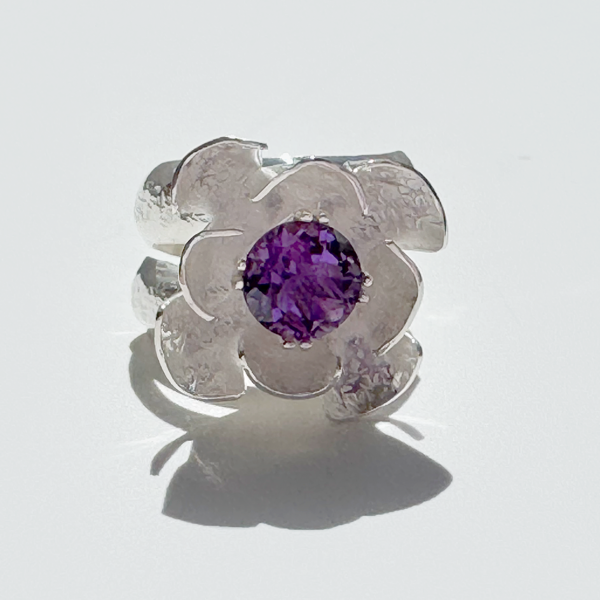
The Reality: No Jewelry Is Maintenance Free
After years of designing jewelry and helping customers care for their collections, I have come to one simple conclusion: there is no jewelry material that remains exactly the same forever. Many people search for a metal that never tarnishes, never scratches, never changes color, and never needs maintenance. I understand the appeal, but that material simply does not exist.
Even solid gold jewelry changes over time. Pieces stored in a safe or jewelry box for years can lose some of their original luster and benefit from occasional cleaning to restore their appearance. Pearls require care. Gemstones require care. Sterling silver requires care. Rhodium-plated jewelry requires care. Every fine jewelry material benefits from occasional cleaning and care.
As an artist, I completely understand why people want a maintenance-free solution. In fact, I have spent years researching metals, alloys, finishes, and jewelry care methods in search of ways to reduce maintenance while still creating beautiful handmade designs. What I discovered is that the goal should not be finding jewelry that never changes. The goal should be choosing quality materials, understanding their strengths and limitations, and learning how to care for them over time.
As an artist, I have experimented with various methods of reducing tarnish over the years. At one point, I even added a tarnish-resistant treatment to some of my Argentium® silver pearl rings. While it helped, it did not completely prevent tarnish forever. That experience reinforced something I have learned repeatedly while making jewelry: there is no maintenance-free solution. Some materials and treatments can reduce maintenance, but eventually every piece benefits from proper care and cleaning.
Over the years, I have experimented with many ways to reduce tarnish. One method that has worked exceptionally well for me is storing smaller sterling silver jewelry pieces in acrylic gem jars placed inside paper gem trays with snap-close lids. I use this system to store pre-made earrings, pendant necklaces, and smaller jewelry pieces in my studio and while traveling to art shows.
In my experience, the key is limiting exposure to air, humidity, and light. I use this storage method for most sterling silver, Argentium® silver, gold, and gemstone jewelry. However, some organic gemstones such as pearls and certain opals benefit from occasional exposure to air and may require different storage considerations. Once the jewelry is placed inside the containers, I keep the trays closed and stored in a dark location until the pieces are needed. In my experience, the results have been excellent. I have stored sterling silver pieces for extended periods using this method with little to no noticeable tarnish.
While no storage method can completely eliminate the possibility of tarnish forever, this has become my preferred way to store both inventory and personal jewelry because it is simple, affordable, and effective.
The good news is that most jewelry maintenance is relatively simple. Proper storage and occasional cleaning can help your favorite pieces look beautiful for many years while reducing the time spent dealing with tarnish and buildup. Fine jewelry is designed to be worn, enjoyed, and cared for—not forgotten in a drawer forever.
- All precious metals change over time
- Gold, silver, platinum, pearls, and gemstones all require care
- Proper storage can dramatically slow tarnishing
- Routine cleaning can restore beauty and shine
- Higher-quality materials often require less maintenance than inexpensive plated alternatives

The Truth About Tarnish
I often compare jewelry maintenance to physical fitness. Many people search for a quick fix that permanently solves a problem. In reality, long-term results usually come from small habits repeated over time. Jewelry works much the same way. A few minutes of occasional care is often more realistic than searching for a metal that never changes.
One of the most common statements I hear at art shows is, "I want jewelry that doesn't tarnish." As someone who has worked with sterling silver, Argentium® silver, gold, gemstones, pearls, titanium, and other materials, I can tell you that every jewelry material has strengths and limitations. Understanding those tradeoffs is often more valuable than chasing the promise of a maintenance-free solution.
Sterling silver tarnishes when sulfur, moisture, cosmetics, lotions, cleaning products, and environmental pollutants interact with the surface of the metal. Depending on the environment, tarnish may develop quickly or take years to become noticeable. Factors such as humidity, storage conditions, skin chemistry, and frequency of wear all play a role.
The good news is that tarnish is usually a surface reaction. In most cases, sterling silver can be cleaned and restored to a beautiful finish. The challenge is that cleaning jewelry takes time, especially if you own a large collection. Anyone who owns a large jewelry collection—or creates jewelry for a living—quickly learns that reducing maintenance is often about choosing materials wisely and following simple care practices rather than looking for a perfect metal.
- No jewelry material remains exactly the same forever
- Environmental exposure affects how quickly metals change
- Regular wear can sometimes help keep jewelry looking brighter
- Proper storage can significantly reduce tarnish
- Simple maintenance is often more effective than searching for a perfect solution
An Alternative: Argentium® Silver
As I researched ways to reduce jewelry maintenance, I became increasingly interested in Argentium® silver. Unlike rhodium-plated sterling silver, Argentium does not rely on a surface coating to help resist tarnish. Instead, the tarnish-resistant properties are built directly into the silver alloy itself.
Argentium silver contains germanium, which forms an invisible protective layer on the surface of the metal. This layer helps slow the tarnishing process while maintaining the bright white appearance many people appreciate. Because the protection comes from the alloy itself, there is no plating layer that can wear away through normal use.
That does not mean Argentium silver is maintenance free. Like all fine jewelry materials, Argentium benefits from occasional cleaning and proper storage. However, many jewelry owners appreciate that they are caring for the metal itself rather than maintaining a temporary surface coating that may eventually require replacement.
One of the reasons I enjoy working with Argentium silver is that it allows me to create handmade jewelry with improved tarnish resistance while preserving the natural beauty and character of silver itself. It offers a different approach than rhodium plating, and for many customers it strikes a comfortable balance between appearance, durability, and maintenance.
- Tarnish resistance comes from the alloy itself
- No rhodium plating to wear away over time
- Maintains a naturally bright silver appearance
- Still benefits from occasional cleaning and care
- Popular among jewelry artists seeking an alternative to plated finishes
For those comparing rhodium-plated sterling silver and Argentium silver, neither option is perfect. They simply solve the same challenge in different ways. Rhodium relies on a surface coating, while Argentium improves tarnish resistance through the alloy itself.
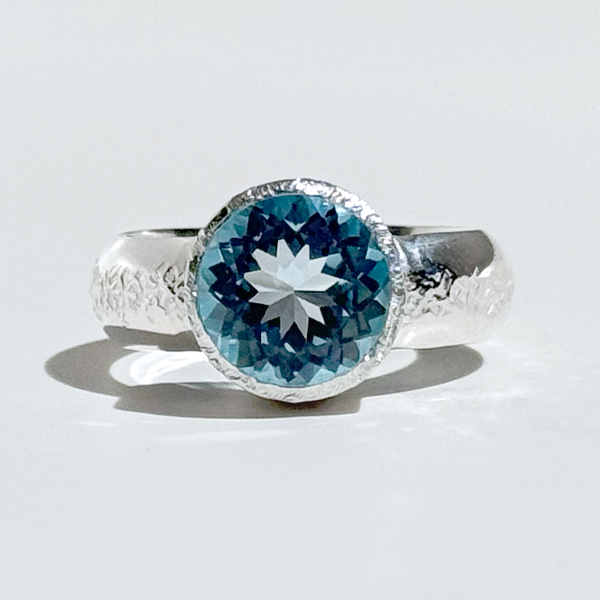
Which is Better?
One of the most common questions consumers ask is whether rhodium-plated sterling silver or Argentium® silver is the better choice. The honest answer is that neither material is universally better. Each offers advantages depending on what you value most in your jewelry.
Rhodium-plated sterling silver may appeal to someone who loves an ultra-bright white finish and does not mind the possibility of occasional re-plating in the future. Many luxury jewelry brands use rhodium plating because customers appreciate the brilliant, mirror-like appearance it creates.
Argentium silver takes a different approach. Rather than relying on a surface coating, it incorporates tarnish-resistant properties directly into the alloy itself. Many people appreciate that there is no plating layer to wear away over time and that they are seeing the natural color of the silver itself.
From my perspective as an artist, the decision often comes down to personal preference rather than finding a perfect material. Both rhodium-plated sterling silver and Argentium silver can make beautiful jewelry when they are well-made and properly cared for.
- Rhodium plating provides a bright white surface finish
- Argentium silver offers built-in tarnish resistance
- Neither material is completely maintenance free
- Both can be excellent choices when properly cared for
- The best option depends on your priorities and preferences
Rather than focusing on which material is "better," I encourage customers to focus on understanding the characteristics of each metal. When expectations match reality, people are usually much happier with their jewelry for years to come.
Final Thoughts
Whether jewelry is sterling silver, rhodium plated, Argentium® silver, gold, platinum, pearl, or gemstone jewelry, every piece benefits from occasional care. The goal should not be finding a material that never changes. The goal should be understanding the characteristics of the materials you choose and caring for them appropriately.
After designing jewelry for years, I have found that customers are happiest when they have realistic expectations. A beautiful piece of jewelry is meant to be worn, enjoyed, and lived in. Small changes over time are often a natural part of the journey and a reflection of how much a piece has been loved.
If reducing maintenance is important to you, consider the type of metal, how often you wear the piece, your lifestyle, and how you store your jewelry. These factors often have a greater impact on long-term appearance than people realize and often matter more than any marketing claim promising a maintenance-free solution.
After years of making jewelry, I have found that there is no perfect metal. There are only materials with different strengths, limitations, and maintenance requirements. The best jewelry is the jewelry you love wearing and feel confident caring for over the years.
- All fine jewelry benefits from occasional maintenance
- Understanding materials leads to better purchasing decisions
- Proper storage and cleaning can extend the beauty of your jewelry
- No metal is completely maintenance free
- Choose jewelry you love wearing, not just jewelry that promises convenience


Leave a comment