



How Choosing the Right Vehicle Changed My Handmade Business
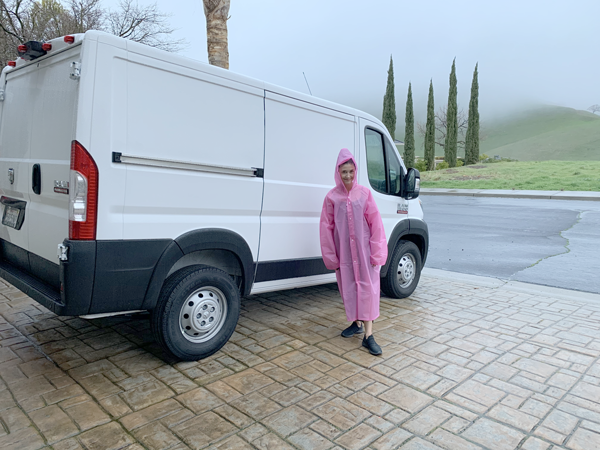
Before purchasing a vehicle for MONOLISA, I wanted to make sure I truly needed one. To test my theory, I committed to participating in several art shows first. Once I realized I enjoyed the events, could handle the workload, and was steadily building a customer base, it became obvious that transportation would play a major role in my business. When I first started selling at outdoor festivals, I actually used two vehicles to transport everything—crazy but true. Between the tent, tables, display equipment, inventory, and supplies, I quickly realized that approach was not sustainable. If I wanted to continue growing, I needed a dedicated business vehicle.
Starting with a Minivan
After researching several options, I purchased a used Dodge minivan. I loved that vehicle. The sliding side doors made loading and unloading effortless, it was comfortable to drive, and the rear seats folded completely flat. I could stack my inventory bins, tent, dolly, and display equipment and head off to a show feeling organized and prepared. Although it was a tight fit, at the time it felt like the perfect solution.

Outgrowing the Minivan
As MONOLISA grew, so did my needs. I expanded both my handbag and jewelry collections, added more inventory, invested in professional display systems, and purchased additional equipment designed to improve the customer experience. Every improvement required more space. Over time, loading for a show began to feel like solving a giant puzzle where every bin, display piece, table, and supply had to fit in exactly the right spot. If I wanted to bring something new, something else often had to stay behind. Looking back, I wasn't managing my business around my customers anymore—I was managing it around the limitations of my vehicle.

The Rainstorm That Changed Everything
The moment I knew it was time to upgrade happened during a holiday show in Sacramento. On the final day, it was pouring rain during teardown, and my husband and I stood in a parking lot 90 miles from home trying to load the minivan as quickly as possible. I remember saying, "It has to go in a certain way or it won't fit." We unloaded pieces, reloaded them, shifted bins around, and tried again. Standing there soaked from head to toe while forcing everything into the van, we both realized the same thing—this vehicle had reached its limit.

Making the Leap to a Ram ProMaster
A week later, I purchased a brand-new 2019 Ram 1500 ProMaster Cargo Van with a 118-inch wheelbase and low roof configuration. It was one of the largest business investments I had made at the time, and although it initially felt enormous, that feeling disappeared quickly once I started loading it. What surprised me most was how fast the space filled up. The difference was that I could finally organize my equipment instead of simply trying to squeeze everything inside. For the first time, the vehicle was working for my business instead of restricting it. The low-roof model turned out to be a great fit for my needs. I can still stand inside comfortably while loading and organizing equipment, yet the van remains easy to drive, park, and maneuver compared to some of the taller cargo van options. Instead of worrying about whether everything would fit, I could focus on preparing for the show itself. I also purchased it only a few months before COVID, and shortly afterward cargo vans became much harder to find. Looking back, the timing could not have worked out better.
Another feature I have come to appreciate is that the cargo area does not have side or rear windows. Initially, I wasn't sure how I would feel about it, but today I consider it one of the van's best features. Because I travel with valuable inventory, equipment, and supplies for art shows throughout California, I like knowing that everything is stored out of sight when I stop for fuel, meals, or overnight stays. The added security and peace of mind have made the adjustment easy.

🛠️ Designing a Mobile Art Show Studio
One of the biggest advantages of the ProMaster is that it allowed us to create a storage system designed specifically for MONOLISA. My husband custom-built the interior so every piece of equipment has a dedicated place. Tables are stored along the lower section, pipe-and-drape equipment has its own storage area, and a carpeted upper platform holds stackable inventory bins. Instead of constantly rearranging equipment before every show, everything now has a designated home. Over the years, we continued refining the layout based on real-world experience from hundreds of events.
A Safety Upgrade I Wish I Added Earlier
A few years later, I added a partition between the cargo area and the front cabin. Originally, the goal was safety and reducing the risk of inventory bins shifting forward during sudden stops, but I quickly discovered another benefit. The partition significantly reduced road noise from the cargo area, making the van quieter and far more comfortable during long drives. Looking back, it is one of the best upgrades I made.

💺 Comfort Matters Too
Artists often focus on efficiency and organization, but comfort matters too. In 2023, I decided to treat myself and support a local upholstery business by having custom leather seat covers made for both the driver's and passenger's seats. The craftsman had been creating custom interiors for decades, and the result completely transformed the driving experience. Some people might view that as a luxury upgrade, but I see it differently. My van functions as a mobile headquarters for my business, and I spend countless hours traveling to events throughout California. The more comfortable the drive, the more energy I have available for my customers, my creativity, and my business. When you're operating a handmade business for the long haul, comfort becomes part of sustainability.
🚐 What I Wish I Knew Before Buying My First Show Vehicle
If you're considering a vehicle for your handmade business, think beyond today's needs. Ask yourself how much inventory you hope to carry in three years, what display equipment you may eventually add, how you will store tables, tents, weights, bins, and supplies, and whether the vehicle will still give you room to grow. Also think about comfort, visibility, safety, parking, fuel costs, and how easy the vehicle will be to load and unload after a long show weekend. Many artists underestimate how quickly a growing business can outgrow its transportation setup.

Final Thoughts
The right vehicle won't make your business successful, but the wrong vehicle can make every show more difficult than it needs to be. After more than 200 art shows, I have learned that organization, efficiency, safety, and comfort all matter. Choosing the right vehicle helped me create a system that supports both my business and my quality of life. Today, when I look inside the van, I don't just see a vehicle. I see years of growth, lessons learned, and a business that evolved one decision at a time.


Leave a comment