



10 Facts About Titanium Metal Jewelry
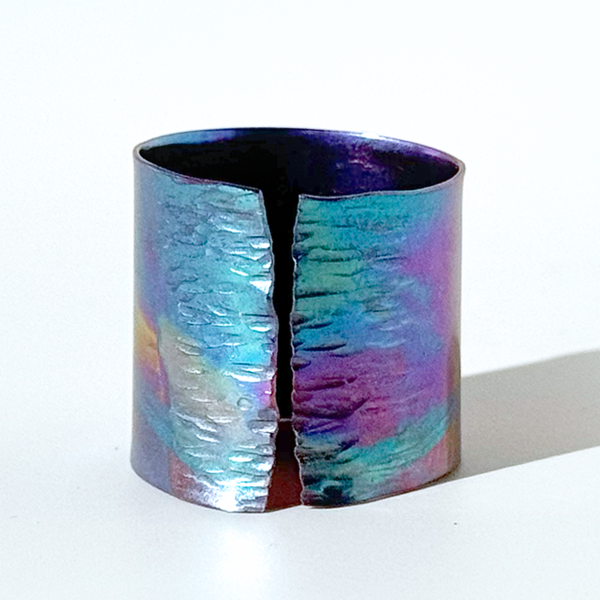
Titanium has become a favorite metal among contemporary jewelry artists—and for good reason. Known for its strength, lightness, and modern beauty, titanium offers a unique alternative to traditional precious metals.
Whether you’re curious about durability, skin sensitivity, or everyday wear, here are ten essential facts to know about titanium jewelry.
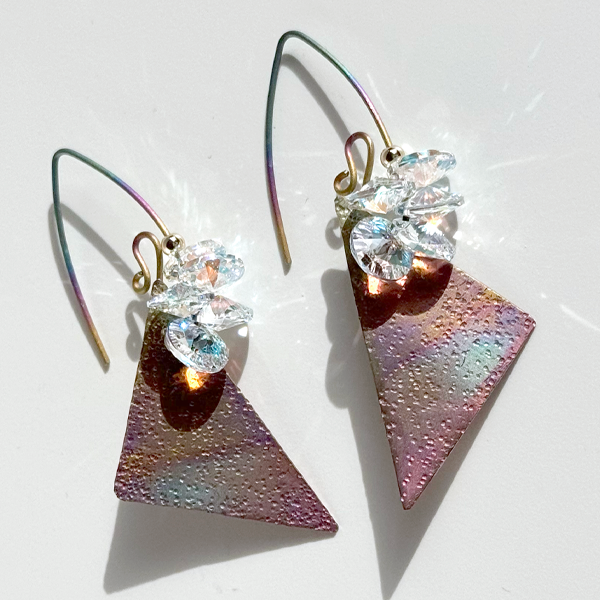
Why Titanium Is Special for Jewelry
Titanium is lightweight, durable, corrosion-resistant, and often ideal for sensitive skin.
For artists, titanium is especially exciting because it can be anodized to create vibrant color—without paint, dyes, or coatings.
10 Facts About Titanium Metal Jewelry
-
Who discovered titanium metal?
Titanium was discovered in 1791 by English clergyman and mineralogist William Gregor. A few years later, German chemist Martin Heinrich Klaproth named it titanium, inspired by the Titans of Greek mythology. -
How is titanium metal made?
Titanium is extracted from minerals such as rutile and ilmenite. Because titanium bonds strongly with oxygen, refining it requires specialized industrial methods—most commonly the Kroll Process—to produce pure metal. -
Does titanium tarnish?
No—titanium does not tarnish. It naturally forms a protective oxide layer that resists corrosion, which helps it maintain its look over time (unlike sterling silver). -
How strong is titanium?
Titanium is known for an exceptional strength-to-weight ratio. It’s extremely strong yet noticeably lightweight, which is why it’s used in aerospace, medical implants, and high-performance jewelry. -
How long does titanium last?
With normal wear and reasonable care, titanium jewelry can last a lifetime. It resists moisture, corrosion, and everyday environmental exposure. -
What damages titanium jewelry?
Titanium is durable, but it can be scratched by extremely hard materials (like diamonds) or damaged by heavy industrial abrasion. Also, titanium generally cannot be traditionally resized the way silver and gold can. -
Where are titanium metals produced?
Titanium is mined and processed globally. Major producers include China, Japan, Russia, Australia, and the United States. Jewelry-grade titanium is refined to high purity standards. -
How is titanium different from sterling silver metals?
Titanium is lighter, stronger, and tarnish-resistant, while sterling silver is softer, heavier, and will tarnish over time. Titanium has a modern look and can be anodized for color; sterling silver has a traditional bright white-metal appearance. -
Is titanium hypoallergenic?
Yes—titanium is widely considered hypoallergenic and is often chosen by people with sensitive skin. It’s also commonly used in medical implants, which speaks to its biocompatibility. -
Does titanium jewelry have nickel?
High-quality titanium jewelry is typically nickel-free. Pure titanium contains no nickel, which is one reason it’s so popular for sensitive ears and skin. (As always, it’s smart to buy from makers who clearly state materials and metal grades.)
What Exactly Is Anodizing?
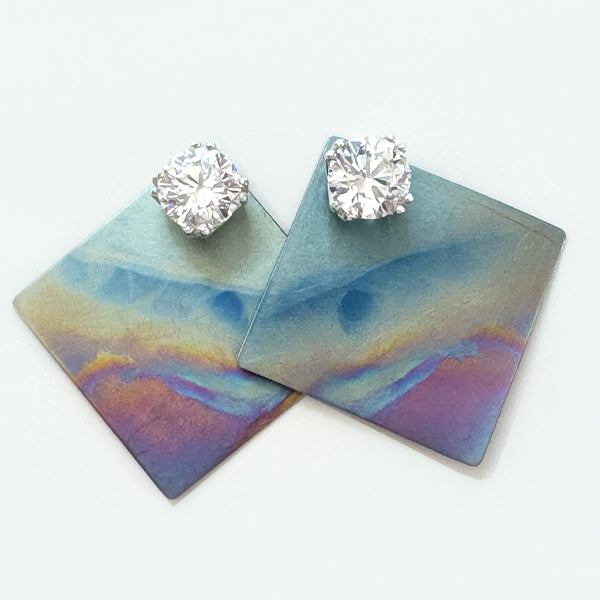
Anodizing is a controlled electrical process that changes the surface of titanium to create a clear, durable oxide layer. That oxide layer interacts with light and produces color— so the rainbow and pastel tones you see are created by the metal itself.
The key detail: the color is not paint, not dye, and not a coating. Instead, the anodizing process alters the thickness of the titanium’s oxide layer, which changes how light reflects off the surface. That’s why anodized titanium can shift and glow depending on the angle and lighting.
Because the color comes from the titanium’s surface structure, it won’t peel like a finish. It’s a modern, chemistry-meets-art technique that allows me to create one-of-a-kind color combinations while keeping the jewelry lightweight and comfortable to wear.

Bonus: Why Anodized Titanium Color Is So Unique
Titanium can display vibrant hues—from soft pastels to rich rainbow tones—through anodizing. The color comes from light interacting with the metal’s surface oxide layer, not paint or dyes, so it won’t peel or wear like a coating.


Leave a comment